
2026.1.14
- 学会からのお知らせ
- イベント
【ご案内】AASCRM Webinar Series – 2026年1月開催のお知らせ


平素より本会事業にご理解ご協力賜り誠にありがとうございます。
このたび、本会が加盟するAASCRM(Asian Alliance for Stem Cells and Regenerative Medicine)の加盟国が毎月持ち回りで開催するテーマ別ウェビナーについてご案内申し上げます。
開催情報
1月のテーマ
New Approach Methodologies (NAMs) in Drug Discovery: AI, Organoids, Organs-on-Chips, and Beyond
開催日:2026年1月20日(火)
開催時間: 10:30-12:00(SGT, CST)/ 11:30-13:00 (日本時間, KST)/ 12:30-14:00 (AEST)
形式:オンライン (Zoom) *要登録
言語:英語
主催/共催:JSRM/SSCS
ホスト:Sayaka Deguchi, Institute of Science Tokyo, Japan (JSRM)
Adrian Teo, A*STAR Institute of Molecular and Cell Biology (IMCB), Singapore (SCSS)
登壇者情報
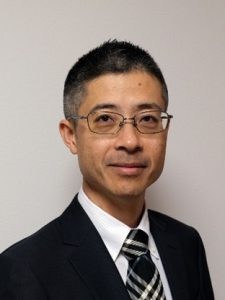
| Ryuji Yokokawa
Department of Micro Engineering, Kyoto University, Japan, “Vascular Microphysiological Systems (MPS) for Viral Pathogenesis and Drug Evaluations” |
 |
| Abstract We have employed two vascular microphysiological systems (MPS) to create the interface between organ cells and vascular networks: In 2D-MPS, it is possible to stably form dense epithelial tissues and to quantitatively evaluate substance transport across the tissue via the apical and basal channels. Taking advantage of these features, we have analyzed drug secretion and reabsorption processes in renal proximal tubules, as well as viral infection responses in airway and alveolar models. In contrast, 3D-MPS allows the coexistence of spheroids or organoids with vascular networks on the same chip, enabling the reconstruction of the tumor microenvironment of alveolar soft part sarcoma and the establishment of co-culture assay systems with brain and bronchial organoids. More recently, we have also been working on studies aimed at promoting tissue maturation by co-culturing kidney organoids with vascular networks. Proposed assay platforms will further contribute to realize pharmacological applications and to understand in vivo organogenesis. Bio |
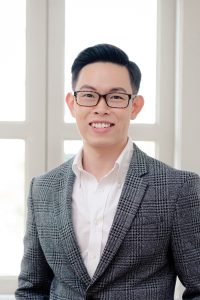
| Andy Tay
National University of Singapore (NUS), Singapore ” Biomaterials to engineer human immune cells and tissues” |
 |
| Abstract While significant advances have been made in the field of human immunology, we still lack tools and models to study immune cells within human tissues, and to engineer these primary immune cells. This is crucial because immune cells are known to exhibit variable phenotypes and functions in different tissue microenvironments. Immuno-engineering is an interdisciplinary field using approaches in immunology, bioengineering and material sciences to manipulate immunity for diagnostic and therapeutic purposes. Here, I will describe three tools and models my lab has developed to enable the study of human tissue immunology. I will first discuss an in vitro human immune organoid model that preserves high cell diversity, retains donor memory and can be educated to recognise naïve antigens. I will next describe a porous microneedle to extract tissue immune cells before ending with a nanotechnology for genetic engineering and nanobiopsy of diverse primary human immune cells. Bio |